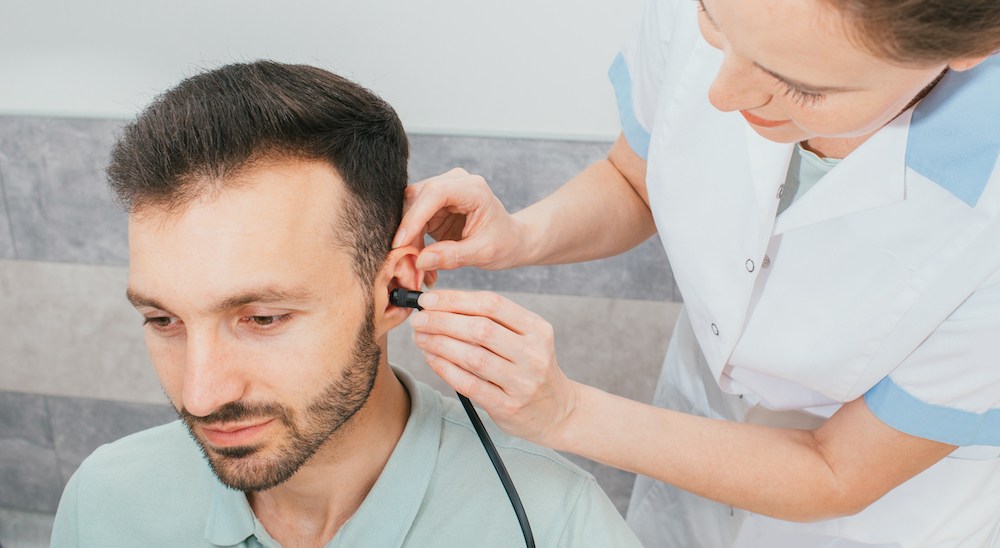
You may have heard the term hearing instrument specialist (HIS) but might not be sure what it means or how these professional fit into hearing care. These specialists focus on fitting and programming hearing aids to match an individual’s specific needs. Their work supports individuals in improving how they hear and communicate, which can make everyday activities more manageable. From testing hearing levels to adjusting and maintaining hearing devices, they provide hands-on care and guidance. Learning more about the role of a hearing instrument specialist can help you understand how they fit into the broader picture of hearing support.

What Is a Hearing Instrument Specialist?

Hearing instrument specialists play a key role in helping individuals manage hearing loss through practical, hands-on support. They evaluate hearing needs and recommend hearing aids that fit each person’s communication goals and daily activities. Instead of offering generic solutions, they focus on finding the right device and making adjustments, so it works well in real-life situations. This makes hearing aids more comfortable and useful, whether at home, work or in social settings.

A HIS also guide individuals through the process of learning how to use and care for their hearing devices. They make regular adjustments as needed and provide tips for improving hearing in different environments. With this personalized approach, hearing instrument specialists help make hearing loss more manageable and less disruptive. Their role is centered on providing realistic, ongoing support that meets the unique needs of each individual.

Personalized Solutions for Your Unique Needs

Each person’s hearing loss is different, shaped by their daily routines, personal preferences and specific listening needs. Because of this, hearing care should not follow a one-size-fits-all approach. A HIS considers these individual factors when developing a plan that aligns with what works best for you.

A hearing instrument specialist takes the time to understand the everyday situations where you experience the most difficulty. Whether its trouble hearing in crowded spaces, understanding speech at a distance or managing background noise, these details help them narrow down the options that best match your needs. They also consider how your home, work or social environment might influence your hearing experience. By focusing on the specific challenges you face, they’re able to recommend a solution that feels more practical and effective in your daily routine.

Your preferences also matter when choosing a hearing aid. Some people value a more subtle design, while others prioritize easy-to-use controls or extra features like wireless connectivity. A hearing instrument specialist will discuss these choices with you, making sure the device fits both your lifestyle and comfort level. They’ll explain how different models work and offer guidance on what might be most helpful based on your day-to-day activities. This attention to detail helps ensure that your hearing aid isn’t just a good fit functionally, but also aligns with what’s important to you.

The Process of Fitting Hearing Aids

Fitting hearing aids is a personalized process that involves more than just selecting a device. A hearing instrument specialist will take time to understand the specific difficulties you face in everyday situations, like following conversations in busy places or hearing clearly while watching TV. They also ask about your personal preferences, including the appearance of the device and whether you prefer discreet or more visible styles. These details help them recommend a hearing aid that suits your daily environment and comfort level.

Once a hearing aid is chosen, your hearing instrument specialist will fine-tune your settings to help you hear more clearly across different situations. They’ll also walk you through how to properly place and care for the device, helping you feel more confident in using it. If adjustments are needed, follow-up visits give you the chance to share your experience and request changes. Over time, this process helps the hearing aid better support your hearing in a way that fits naturally into your life.

Provide Maintenance and Hearing Aid Repairs

Hearing instrument specialists are essential when it comes to the regular care and upkeep of hearing aids. They perform routine checks to ensure your devices are functioning correctly, addressing minor issues before they become bigger problems. This maintenance often includes cleaning the hearing aids, replacing parts like batteries or ear tips and inspecting for any signs of damage. They also offer advice on how to care for your hearing aids to keep them working well between visits, helping to maximize their lifespan.

If your hearing aids need repair, whether from general wear or an unexpected malfunction, hearing instrument specialists are equipped to fix them. They handle a variety of issues, like adjusting settings or repairing faulty components. For more extensive problems, they can send your hearing aids to a professional repair service, ensuring that you get them back in good working order. With their expertise, an HIS ensure that your devices continue to perform at their best, so you can rely on them for clear, consistent hearing.

They Can Guide You in Using Hearing Aids Effectively

Once your devices are fitted, they will walk you through the process of using them, including how to adjust settings for various listening environments. They’ll explain the features of your hearing aids and show you how to switch between different programs to suit different situations, like a quiet room or a noisy setting. This hands-on guidance makes it easier for you to feel comfortable with your devices and incorporate them smoothly into your daily life.

Beyond teaching you how to use the hearing aids, HIS are available to offer troubleshooting advice for any issues you may encounter. If your hearing aid is producing feedback, if the sound isn’t clear or if you’re having trouble with comfort, they will help you identify and address the problem. They also provide tips for routine maintenance and cleaning to prevent malfunctions. Their expertise ensures that you understand how to care for and use your hearing aids effectively, helping you achieve the best hearing experience possible.

Provide Ongoing Support

Hearing instrument specialists offer valuable ongoing support after the initial fitting of hearing aids. As you adjust to wearing your new devices, they are available to help with any questions or concerns you may have. Whether it’s adjusting the settings to suit different environments or offering guidance on how to improve comfort, they are there to ensure that your hearing aids continue to meet your needs. They understand that getting used to new hearing technology can take time, and they provide the necessary support to make this transition smoother.

In addition to addressing any immediate concerns, HIS also schedule regular follow-up appointments to monitor the performance of your hearing aids. These visits allow them to make any necessary adjustments or repairs to keep your devices working properly. With their ongoing support, you can be confident that your hearing aids will continue to enhance your hearing and quality of life.

Hearing instrument specialist play a vital role in hearing care, from helping you select the right hearing aids to providing maintenance and hearing aid repairs. If you would like to know more about hearing care, schedule an appointment with a hearing instrument specialist.