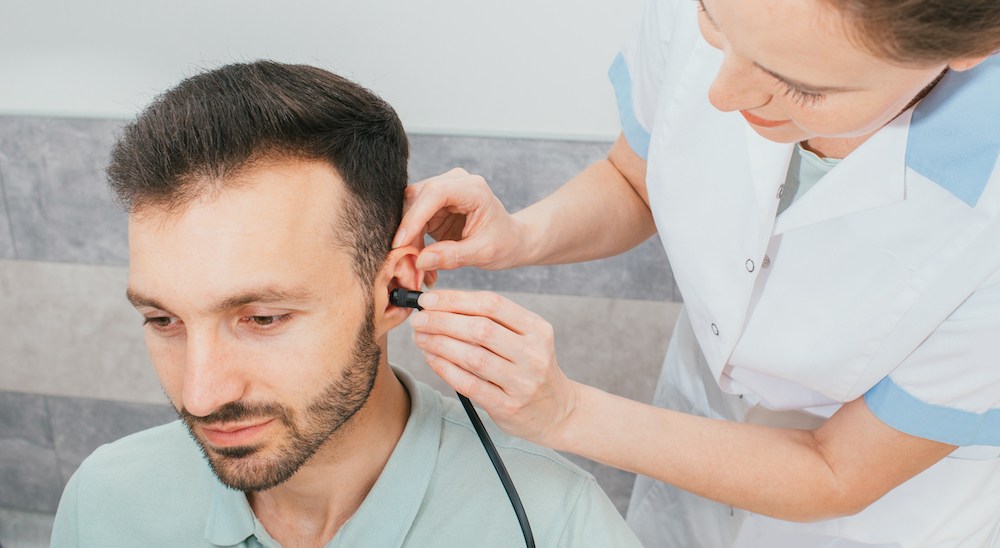
The way hearing health is monitored is changing as healthcare technology continues to advance. Traditional hearing evaluations have been reliable for many years, but newer testing methods and updated equipment are making assessments more accessible and precise. These developments are opening the door to different ways and locations in which hearing can be evaluated, giving patients more flexibility in managing their hearing care. Understanding these shifts can help you prepare for how hearing assessments may look in the future.

For both hearing specialists and individuals, staying informed about emerging trends in hearing testing provides a clearer picture of what future care may involve. Improvements in testing environments, along with new diagnostic tools, are designed to offer more thorough and convenient ways to monitor auditory health. These advancements do not replace the professional judgment and individualized care that hearing instrument specialists provide. Instead, they expand the range of options available. Being aware of these changes can help you make informed decisions about your hearing health as the field continues to evolve.

Changes in Hearing Tests Throughout the Years

Hearing tests have changed significantly over the years as technology and clinical knowledge have advanced. Early evaluations relied mainly on simple listening tasks and basic tools, which provided only a general sense of a person’s hearing abilities. Today, modern hearing assessments use precise equipment that can measure how the ears and auditory system respond to a wide range of sounds. These tools allow hearing specialists to identify subtle changes, detect issues earlier and create more personalized treatment plans. As testing methods continue to develop, hearing evaluations are becoming more accurate, efficient and adaptable to different environments and patient needs.

Technology Advancements Improving Hearing Test Accuracy

Recent advances in technology have made hearing tests much more accurate. New devices and software can measure how well you hear different sounds, even when there is background noise. Wireless headphones and tablets are now used to make testing easier and more comfortable. To benefit from these advancements, you hearing specialist if the latest equipment is used, make sure your test is in a quiet space and follow all instructions during your appointment. Keeping up with technology helps you catch changes in your hearing early. Always share any questions or concerns with your hearing specialist so you receive the best care possible.

Options for Remote and at Home Hearing Testing

Remote and at-home hearing testing has become more accessible as technology improves, offering convenient options for people who may have difficulty visiting a clinic. Many modern systems use calibrated headphones and app-based tools that guide you through a series of listening tasks to measure how well you hear different sounds. Some platforms allow hearing specialists to review your results remotely and provide recommendations based on your responses. While these tests cannot fully replace a comprehensive in-office evaluation, they can be a helpful first step for identifying potential hearing changes, monitoring ongoing concerns or deciding when it is time to schedule a full examination with a hearing specialist.

The Role of Mobile Apps in Hearing Screening

Mobile apps are now used to screen for hearing loss in both adults and children. Many apps offer simple checks that can be done anywhere with a smartphone and headphones. These apps provide instant results and may help you decide if you need a full hearing test with a hearing specialist. While mobile apps do not replace professional testing, they can be useful for early screening and raising awareness about your hearing health.

Artificial Intelligence (AI) and Its Impact on Hearing Assessments

Artificial intelligence is starting to play a bigger role in hearing assessments. AI can make testing faster and more accurate by quickly analyzing your responses. Some ways AI is improving hearing tests include spotting patterns in your results that might be missed by traditional methods, giving instant feedback and helping recommend the right next steps for your needs. With AI supporting the process, you can expect even more reliable care.

Early Detection Benefits with New Testing Methods

New hearing testing methods are helping make early detection more reliable and accessible. These tools can identify subtle changes in hearing that might be missed during a standard evaluation, allowing concerns to be addressed sooner. Earlier identification gives patients a better chance to manage hearing changes before they begin to affect communication, work or daily routines. It also provides hearing specialists with clearer information to guide treatment decisions and long-term care planning. As testing technology continues to improve, early detection becomes a more practical and effective part of maintaining overall hearing health.

What Happens During a Digital Hearing Test Experience

During a digital hearing test, you usually wear headphones and listen to tones or spoken words through a computer or tablet. The test measures how well you hear different sounds and records your responses automatically, making the process quick and simple.

Knowing what to expect during this type of test can help you feel more relaxed and prepared. Digital hearing tests often provide faster results, greater accuracy and a smoother experience than older methods.

How to Select the Best Hearing Test for Your Situation

The best hearing test for you depends on your age, health history and any symptoms you may have. Some tests are designed for children, while others are better for adults or older people. A hearing specialist will ask about your concerns and may suggest a specific type of test based on your needs. Sometimes, a combination of tests gives the most complete picture of your hearing health.

Looking Ahead at Hearing Test Innovations

Hearing tests are changing quickly, offering more accurate results and easier ways to check your hearing than before. With new technology like digital tools, at-home testing options and artificial intelligence, you have more choices to manage your hearing health. Early detection is now possible with these advancements, which helps you take action sooner and protect your hearing for years to come.

If you have questions about the latest testing methods or want to know which hearing aid options fits your needs, schedule an appointment with a hearing instrument specialist. Staying informed about new developments in hearing tests gives you the best chance for healthy hearing now and in the future.