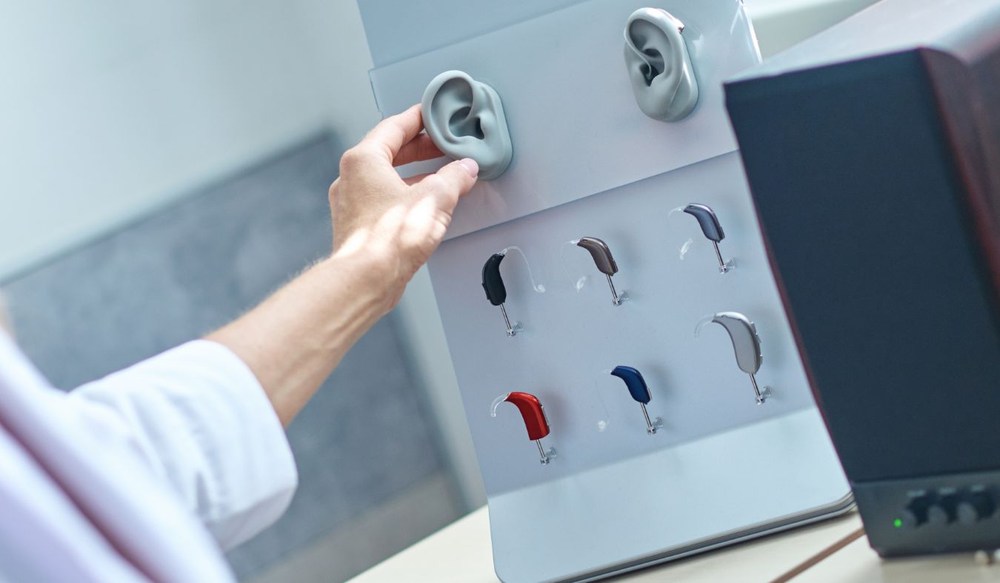
Your brain is closely involved in the process of listening, especially during conversations or in places with background noise. When hearing loss is not addressed, the brain often has to put in extra effort to interpret sounds and fill in missing information.
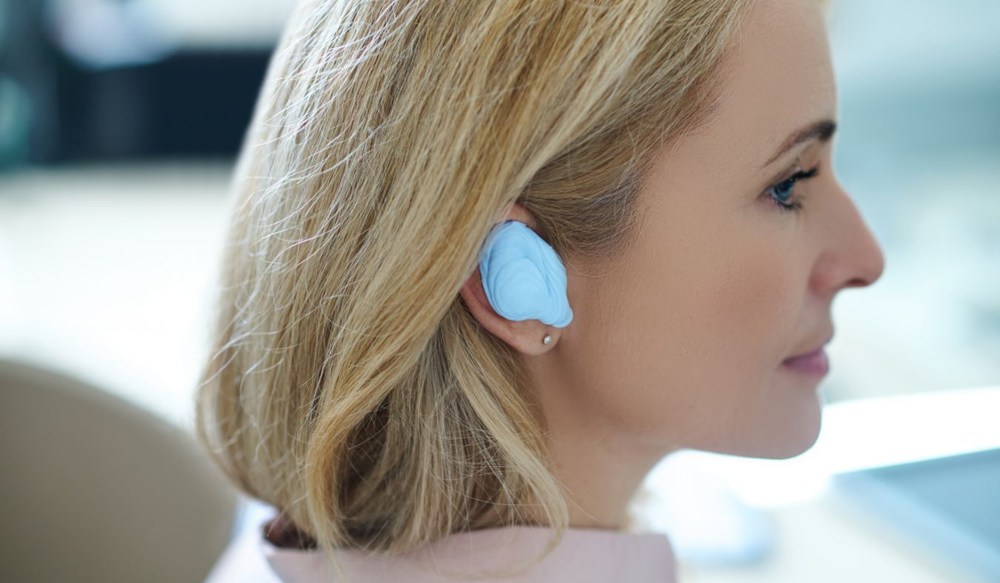
Over time, this added effort can make it harder to concentrate, recall details or keep up in social settings. Because hearing and the brain are so closely connected, paying attention to hearing health can support long-term cognitive function and help you stay involved in the activities and relationships that matter to you.

How Hearing Loss Can Impact Cognitive Health

Hearing loss can affect more than how well you catch sounds throughout the day. When parts of speech or background cues are missed, the brain often works harder to make sense of conversations.

This extra mental effort can take attention away from other tasks, making it harder to focus, remember details or follow along in fast-moving discussions. Over time, constantly straining to hear may contribute to mental fatigue, which can change how comfortable you feel staying engaged in social or work settings.

There is also a strong link between hearing and staying mentally active. When hearing becomes difficult, some people begin to avoid conversations, group activities or events they once enjoyed.

Less interaction can mean fewer chances to challenge the brain, which is important for keeping thinking skills sharp. Treating hearing loss can help support regular communication and social connection, both of which play a part in maintaining cognitive health as you age.

Effects of Untreated Hearing Loss on Memory and Thinking

When hearing loss goes untreated, it can place ongoing strain on the brain that affects how memory and thinking skills function. The brain has to spend more effort filling in missing sounds or guessing what was said, which leaves less mental energy for remembering information or processing details.

Over time, this constant effort can make it harder to recall conversations, stay focused during tasks or keep up with complex information. Some people also pull back from social situations because listening feels tiring, which can reduce mental stimulation. Addressing hearing changes can help ease this strain and support clearer thinking in everyday life.

Mental Fatigue Linked to Challenges with Hearing

Mental fatigue is common for those who have trouble hearing, especially in noisy environments. When your brain has to work harder to understand speech and sounds, you may feel tired or worn out by the end of the day. This constant effort can also make it harder to focus or remember important details.

Recognizing mental fatigue related to hearing has several benefits:

  • You can identify when your tiredness is connected to listening effort.
  • It helps you know when to ask for support in social situations.

How Physical Health Impacts Hearing and Cognition

Your overall physical health affects both how well you hear and how sharp your mind stays as you age. Conditions such as high blood pressure, diabetes or heart disease can impact blood flow to the ears and the brain, raising the risk for both hearing loss and problems with memory or thinking.

Managing these health conditions with regular checkups and healthy lifestyle choices can help lower these risks. Staying active, eating nutritious foods and following advice supports not just your body but also your ears and mind.

Benefits of Detecting Hearing Changes Early

Noticing changes in your hearing early can make a real difference for your health. If sounds seem muffled or conversations are harder to follow, getting checked by a hearing specialist is a smart move. Early action gives you more options and helps you stay connected to the people and activities you enjoy.

If you think your hearing has changed, keep notes about what situations are most difficult for you. Share these details during your visit. Scheduling regular check-ups, even if you feel fine, can help catch small changes before they affect memory or daily life.

Lifestyle Choices That Promote Healthy Hearing and Mind

Everyday choices can help protect both your hearing and your mind. Eating a balanced diet, staying active and avoiding smoking all support the health of nerves and blood vessels in your ears and brain. Even simple steps like walking or adding more fruits and vegetables to your meals can make a difference.

Wearing ear protection in loud places matters as well. Loud sounds from concerts, yard work or power tools can harm hearing over time, so wearing earplugs or earmuffs lowers the risk. Keeping music at a safe volume when using headphones is another way to care for your ears.

Staying social and learning new things are also good for mental sharpness. Joining clubs, playing games with friends or starting a new hobby keeps your mind engaged. These activities lift your mood and help support clear thinking as you get older.

The Importance of Hearing Aid Use for Cognitive Health

Wearing hearing aids as recommended by your hearing specialist can support both your hearing and your brain health.

Hearing aids make sounds clearer, so your brain does not have to work as hard to understand speech or other noises around you. This can reduce mental fatigue and may help keep memory and thinking skills stronger as time goes on.

People who wear hearing aids often find it easier to join conversations and social activities, which keeps the mind active and supports good cognitive function.

Taking Steps Today for Better Hearing and Brain Health

Caring for your hearing is an important part of maintaining your mental sharpness as you get older. Paying attention to changes in how you hear and taking early action can help you stay more engaged, alert and connected with others.

Taking charge of your hearing health supports clear communication and better thinking skills over time. If you have questions about how your hearing may be affecting your memory or mental sharpness, schedule an appointment with a hearing specialist. Small steps today can lead to lasting benefits for your future well-being.