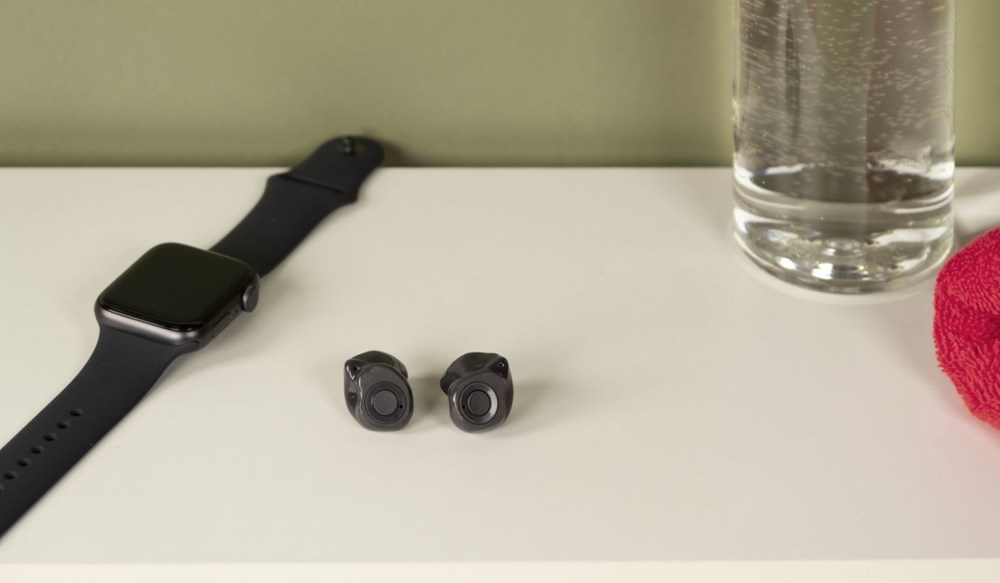
Over-the-counter (OTC) hearing aids are a newer option for adults with mild hearing loss. You can buy these devices in stores or online without a prescription or a visit to a hearing specialist. Since they’re easy to get, many people wonder if these hearing aids will meet their needs. Choosing how to manage hearing loss can affect your daily life, relationships and how well you stay in touch with others. Over-the-counter hearing aids offer convenience, but it’s useful to know how they compare to devices fitted by a hearing instrument specialist. Learning about what over-the-counter hearing aids can do – and how they differ from traditional hearing aids – can help you decide what’s best for your lifestyle and needs.

What to Know About Over-the-Counter Hearing Aids

Over-the-counter hearing aids are designed for adults with mild to moderate hearing loss and can be purchased without a prescription. These devices are available in stores or online, making them easy to access if you’ve noticed some hearing trouble in everyday situations. Most OTC hearing aids come with general instructions so users can adjust the settings themselves, without needing to visit a specialist. This makes them a practical option for those who want to try hearing support on their own.

Even though OTC hearing aids are convenient, they may not work well for everyone. They’re intended for people who still manage most conversations but may have some difficulty in places like group settings or noisy environments. If your hearing loss is more noticeable or continues to affect daily life, a hearing instrument specialist can help. They can determine if OTC hearing aids are a good match or if you might benefit from more tailored care.

Benefits of OTC Hearing Aids

One of the main benefits of over-the-counter hearing aids is how easy they are to get and start using. You don’t need a hearing test or appointment to buy them, which can be helpful if you’re just starting to notice changes in your hearing. Many OTC devices are designed to be simple to set up and adjust on your own, so you can begin wearing them right away. For people with mild-to-moderate hearing loss, they can make conversations clearer and reduce the strain of trying to follow along in noisy places. OTC hearing aids can also be a good first step for those unsure about their hearing needs, offering a way to get support without a full commitment to long-term hearing care.

Drawbacks of OTC Hearing Aids

While OTC hearing aids offer convenience, they also come with some limitations. One of the biggest challenges is that they aren’t customized to your specific hearing needs. Since these devices are designed for general use, they may not address the exact sounds you struggle to hear or filter out background noise as effectively as a professionally fitted hearing aid. Some may also find the controls confusing or the fit uncomfortable, especially if they’ve never worn hearing aids before. Without the support of a hearing instrument specialist, it can be harder to know if the device is helping or if a better option might be available.

Comparing Over-the-Counter Hearing Aids to Traditional Hearing Aids

Knowing the differences between over-the-counter and traditional hearing aids can help you pick what works for you. OTC hearing aids are made for adults with mild hearing trouble, and they can be a good starting point for some. But unlike prescription hearing aids, OTC devices aren’t customized to your hearing needs. Prescription hearing aids are programmed by a hearing instrument specialist based on your hearing test results. This means the sounds you struggle with the most are clearly targeted and adjusted for. With an OTC device, you’re left guessing whether it’s working the way it should.

Traditional hearing aids also come with follow-up care and adjustments, which can be important as your hearing changes over time. Having a hearing instrument specialist walk you through how the device works, fits and feels can make a big difference in how well it helps. Many people find prescription hearing aids more comfortable and easier to use because they’re tailored to their ears. OTC devices don’t offer this kind of support, which can make them harder to manage, especially for first-time wearers. In most cases, working with a hearing instrument specialist gives you better long-term results and a clearer path to improving your hearing.

Who Might Want to Try Over-the-Counter Hearing Aids

Over-the-counter hearing aids are best for adults with self-perceived mild-to-moderate hearing loss. If you find yourself turning up the TV or asking people to repeat themselves in quiet places, these devices might help you hear more clearly. If loud noises aren’t a problem for you and you don’t have trouble hearing in every situation, trying over-the-counter hearing aids could be a good start. But if you notice sudden changes in your hearing, discomfort or ringing in your ears that doesn’t go away, it’s a good idea to talk with a hearing instrument specialist before trying any device.

Why Should You Get Your Hearing Tested?

Getting your hearing tested is an important step in understanding how well you’re able to connect with the sounds around you. Whether you’ve noticed small changes – like asking people to repeat themselves – or just haven’t had a test in a while, a hearing check gives you clear answers. Many hearing changes happen slowly, so it’s easy to miss the early signs. A hearing test can catch issues before they start to affect your daily life, relationships or confidence in social settings. Knowing where your hearing stands helps you make informed choices and gives you the chance to take action if needed.

When to Talk with a Hearing Instrument Specialist

Over-the-counter hearing aids aren’t the right fit for everyone. If you still have trouble following conversations, especially when it’s noisy, think about speaking with a hearing instrument specialist. About one in three adults between ages 65 and 74 has some hearing loss, but many wait years before getting help. A hearing instrument specialist can check your hearing and suggest other options if over-the-counter devices don’t meet your needs.

By learning what over-the-counter hearing aids can do and how they compare with traditional ones, you can find an option that fits your needs and helps you stay connected with others. If you need more help or have questions, a hearing instrument specialist can point you toward better hearing.