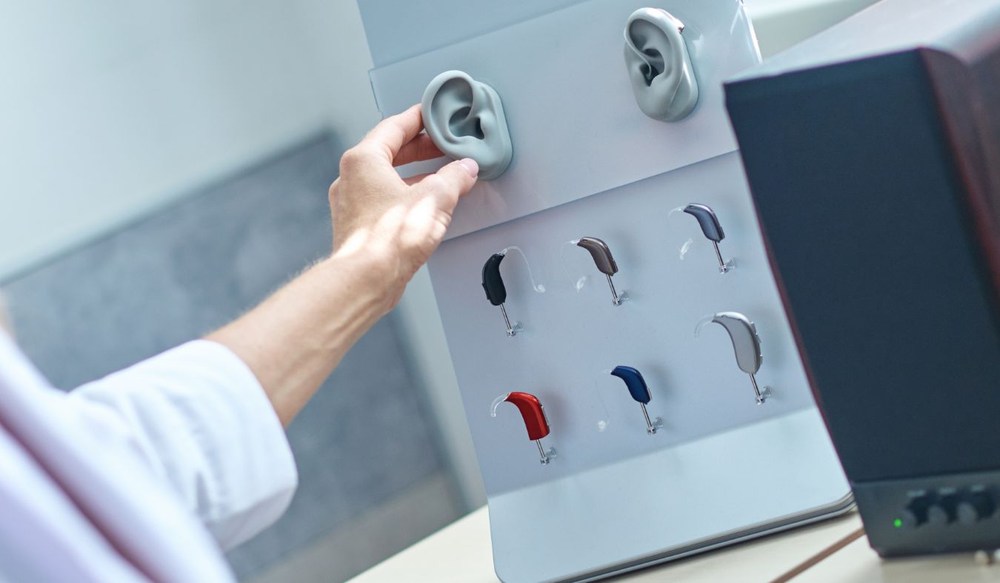
If you are living with both hearing loss and tinnitus, hearing aids may offer more support than you expect. When everyday sounds become clearer and more present, the ringing or buzzing in your ears often becomes less noticeable because your brain has more meaningful sound to focus on.

This can make conversations feel easier, quiet time at home more comfortable and falling asleep less distracting. Knowing that hearing aids can help with both hearing clarity and tinnitus relief allows you to take a practical step toward improving your daily experience without adding extra complexity to your routine

Why Tinnitus Happens and What It Means for Your Ears

Tinnitus is the experience of hearing a sound that does not come from an outside source. People often describe it as ringing, buzzing, hissing or even a low humming noise.

It happens when the hearing system is not working the way it should. Tiny sensory cells inside the inner ear help send sound signals to the brain.

When those cells are damaged by loud noise, aging, certain medications or other health issues, the signals can become uneven or unclear. In response, the brain may try to fill in the gaps, which can create the sound you hear as tinnitus.

For many people, tinnitus is a sign that the ears have been under strain. It does not always mean something serious is wrong, but it does mean your hearing system needs attention.

Sometimes it appears after exposure to loud sound, and other times it develops gradually over the years. The sound may come and go, or it may be more constant.

How Hearing Aids Adjust the Sounds You Hear Every Day

Hearing aids are designed to make everyday sounds clearer and easier to understand. Instead of simply making everything louder, they adjust different pitches and speech sounds based on your specific hearing needs.

This helps bring out details in conversations, environmental sounds and background noise so your brain receives a more complete picture of what is happening around you. As a result, voices can sound more distinct and less muffled.

They also respond to changes in your environment throughout the day. In quieter settings, they can help you hear softer speech, while in busier places, they work to balance background noise with the sounds you want to focus on.

Your brain becomes more comfortable processing these clearer signals. This adjustment can make daily listening feel more natural and less tiring.

Hearing Aid Features That Can Support Tinnitus Relief

Many modern hearing aids include features that can help reduce the awareness of tinnitus during daily activities.

They amplify environmental sounds, giving your brain more meaningful input to focus on and making internal ringing or buzzing less noticeable. Some devices also offer built-in sound options designed to blend with tinnitus, helping it feel less sharp or distracting in quiet settings.

These features can be adjusted to fit your listening needs at home, at work or in social situations. Instead of trying to block out tinnitus completely, the goal is often to make it less noticeable and provide relief.

When hearing aids are set up with tinnitus support in mind, they can provide steady relief while also improving overall hearing clarity.

How Long It May Take to Notice Tinnitus Relief with Hearing Aids

The amount of time it takes to notice tinnitus relief with hearing aids can vary from person to person. Some individuals begin to feel a difference within the first few days of consistent use, especially as everyday sounds become clearer and more present.

For others, it may take several weeks as the brain adjusts to amplified sound and gradually shifts attention away from the ringing or buzzing. Wearing the devices regularly and giving yourself time to adapt can make a meaningful difference in how effective they feel.

Tinnitus relief is often a gradual process, but steady use and proper adjustments can support noticeable improvement in daily comfort.

How Hearing Aids Can Work with Other Tinnitus Management Tools

Hearing aids are one important tool for tinnitus relief, but they are often most helpful when used along with other simple strategies. They can work alongside:

  • Background sound devices that provide steady noise in quiet environments.
  • Smartphone apps designed to offer calming sounds or guided exercises.
  • Stress management techniques that help reduce how strongly tinnitus is perceived.
  • Regular check-ins with a hearing specialist to fine-tune settings as needed.

Daily Habits That Work with Hearing Aids to Ease Tinnitus

Wearing your hearing aids consistently is one of the most important daily habits for easing tinnitus, since steady access to everyday sounds can help reduce how noticeable the ringing or buzzing feels.

Keeping a regular sleep schedule, staying physically active and managing stress can also support how your brain responds to tinnitus throughout the day. Limiting exposure to loud noise and giving your ears time to rest when needed may further reduce strain on your hearing.

Small routines like these, combined with properly fitted hearing aids, can work together to make tinnitus less disruptive and easier to manage in daily life.

Taking the Next Step Toward Quieter Days

Giving your brain clearer sound to work with and using features designed for tinnitus support, hearing aids may help the ringing or buzzing feel less intense and less distracting over time. When paired with healthy daily habits and regular follow up visits, many people find they can focus more on conversations, activities and rest instead of the noise in their ears.

If tinnitus is starting to shape your days or make you avoid quiet moments, schedule an appointment with a hearing specialist. A hearing specialist is available to explain these choices and help you decide what feels right for you so you can work toward more comfortable listening again.