Hearing naturally shifts as you move through different stages of life, and these changes are more common than many realize. Small signs, like missing parts of conversations or needing to increase the volume on the television, can gradually become more noticeable over time. While these shifts are a normal part of aging, they do not necessarily have to interfere with daily life or relationships.

Being aware of how hearing changes occur and what options are available can help you maintain your quality of life and stay engaged in the activities you enjoy. Whether you are noticing changes yourself or supporting a family member, having clear information allows for informed decisions about hearing health. A hearing instrument specialist can provide guidance on understanding these changes and exploring solutions that fit your lifestyle and needs.

How the Ear Changes as You Get Older

As you age, the tiny hair cells inside your inner ear that help transmit sound signals to your brain can become less effective or decrease in number. This makes it harder to hear certain sounds. The eardrum and other parts of the ear may also lose flexibility, affecting your ability to hear clearly. In addition to these physical changes, the nerves that carry sound signals to your brain may slow down. Some people also notice changes in balance, since parts of the inner ear play a role in both hearing and balance.

Common Signs that Hearing Loss May Be Related to Age

Many people first notice age-related hearing loss when they start asking others to repeat themselves more often or have trouble following conversations in groups. Voices may sound muffled, especially when there is background noise. You might feel less involved during family gatherings or social events because it becomes harder to keep up with what is being said. Wearing hearing devices and positioning yourself closer to the speaker can help you stay engaged and enjoy these moments.

How Hearing Loss Can Affect Communication

Age-related hearing loss often makes it difficult to understand speech, especially in noisy places or when several people are talking at once. You may miss parts of conversations or misunderstand words, which can lead to frustration. This can sometimes lead to avoiding social activities out of concern about not keeping up with discussions. Adopting strategies like facing the person speaking or asking others to speak clearly can help you remain involved and reduce stress in group settings.

Reasons Hearing Loss Often Develops Later in Life

Hearing loss often develops later in life due to a combination of natural changes and long-term exposure to environmental factors. The delicate structures in the inner ear gradually become less efficient at transmitting sound signals to the brain, which can make it harder to pick up certain frequencies. Years of exposure to loud noises, whether from work, music or other sources, can also contribute to gradual hearing decline. Additionally, certain medical conditions, medications and genetic factors can increase the likelihood of hearing changes as people age. Understanding these common causes can help individuals recognize early signs and take steps to protect and support their hearing.

The Connection Between Hearing Loss and Cognitive Health

Recent research shows that untreated hearing loss in older adults may be linked to changes in memory and thinking skills. When hearing becomes difficult, your brain works harder to understand speech and sounds, which can make it tougher to focus on other tasks. Managing hearing loss with hearing devices can help you stay alert and active mentally. Addressing hearing changes early supports both communication and overall brain health as you get older.

The Role of Lifestyle and Environment in Long-Term Hearing Health

Daily habits and surroundings play a significant role in your hearing health over time. Exposure to loud noises, like high-volume music or noisy workplaces, increases the risk of hearing loss as you age. Choosing quieter environments and using ear protection when needed are practical ways to protect your hearing. Other lifestyle choices, like smoking or not managing health conditions like diabetes or high blood pressure, can also affect your hearing. Taking care of your overall health and being mindful of your environment supports both your well-being and your ability to hear clearly as you get older.

How Untreated Hearing Loss Can Affect Everyday Activities

Untreated hearing loss can make daily life difficult in unexpected ways. You may find it harder to follow conversations with friends, enjoy television programs or hear important sounds like alarms or doorbells. This can lead to feeling left out in social situations or missing important information at home or in public places. By recognizing how untreated hearing loss affects daily life, you can take steps to maintain your independence and continue enjoying the things that matter most to you.

Knowing When It is Time to See a Hearing Specialist

If you notice that conversations are becoming harder to follow, especially in noisy places or you find yourself turning up the TV more often, it may be time to see a hearing specialist. Other signs include missing the doorbell, feeling like people are mumbling or having difficulty keeping up in group settings. These changes often happen slowly, so staying aware is important.

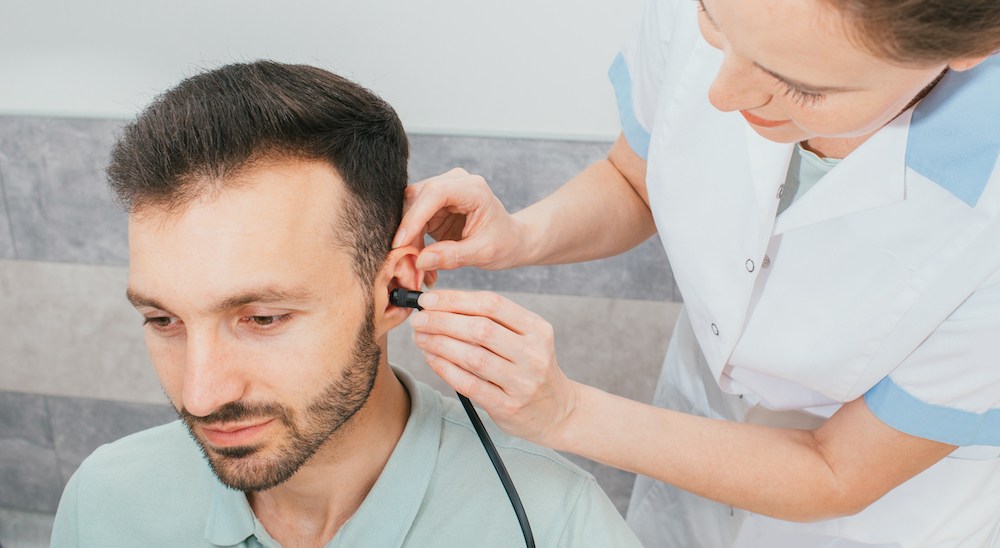
A hearing specialist can help you understand what is happening with your hearing and guide you on the next steps. Getting support early makes it easier to stay engaged with friends and family and enjoy your favorite activities. Acting when you first notice changes helps protect your hearing health for the future.

Practical Steps for Supporting Better Hearing Health

Caring for your hearing health is straightforward and effective. People who wear hearing devices and remain active socially are less likely to feel isolated as they age. Wearing ear protection in loud places, scheduling regular hearing checks and managing health conditions all support better hearing.

Moving Forward with Confidence About Age Related Hearing Changes

Understanding how hearing changes with age helps you take control of your overall health. Recognizing early signs and learning about the causes of hearing changes allow you to make choices that support better hearing as you get older. Even simple steps like protecting your ears from loud noises or managing certain health conditions can have a positive impact over time.

If you have noticed changes in your hearing or want advice on protecting it as you age, a hearing instrument specialist is here to help. Regular check-ups and open conversations about your concerns can help you stay connected with loved ones and continue enjoying daily life. Taking action now offers more options for maintaining clear communication and independence as you grow older.