Taking care of your hearing is an essential part of maintaining overall well-being, yet many people overlook the importance of professional hearing care. A hearing instrument specialist (HIS) plays a key role in helping individuals address hearing challenges by providing expert guidance and personalized solutions. Whether you’re experiencing changes in your hearing or simply want to ensure your hearing health stays on track, seeking the expertise of a hearing instrument specialist can make a significant difference. Understanding when to schedule a visit can help you take proactive steps toward better hearing and improved quality of life.
What Does a Hearing Instrument Specialist Do?

A hearing instrument specialist is a trained professional who interprets the results of your hearing evaluation to recommend the most suitable hearing aids for your specific needs. Since hearing loss varies from person to person, and individuals have different preferences and lifestyle requirements, a specialist ensures that you receive a device tailored to your unique situation. Their expertise helps you find a hearing solution that enhances both comfort and sound quality.

It’s important to recognize that there are many different hearing aids and devices available today, each designed to meet specific needs. A hearing instrument specialist has in-depth knowledge of these options and can help you find the best device for your individual hearing needs and lifestyle.

You Are Having Your Hearing Device Fitted

Having a hearing aid properly fitted is essential to ensuring it delivers the best sound quality and comfort. A hearing instrument specialist will carefully program the device based on your hearing evaluation, adjusting the amplification to match your specific level of hearing loss. They will also check the physical fit of the device, making sure it rests securely and comfortably in your ear. A well-fitted hearing aid helps enhance speech clarity while minimizing background noise, allowing for a more natural listening experience in different environments.

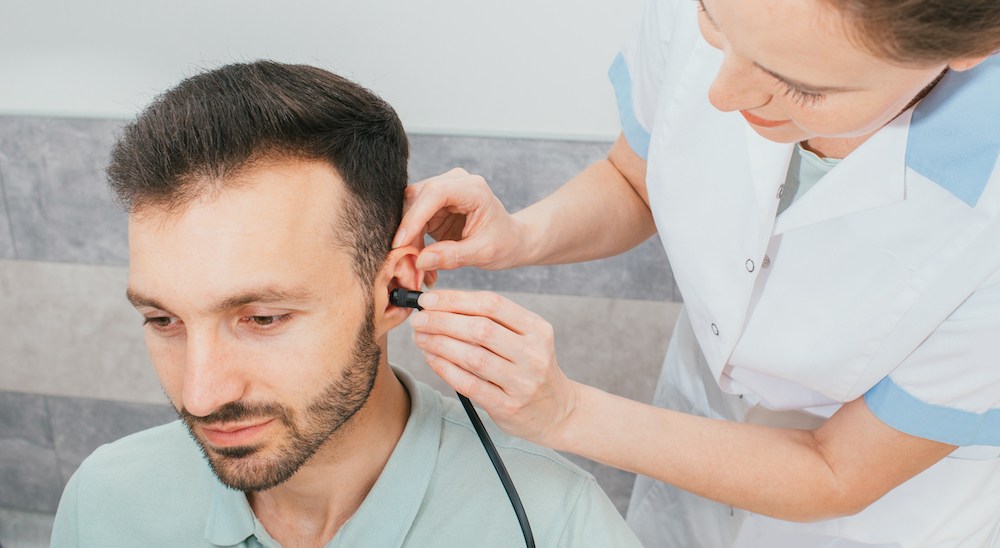
During the fitting process, your hearing instrument specialist will conduct tests to verify that the hearing aid is functioning correctly. You may be asked to listen to various tones and speech patterns while they make precise adjustments to improve sound balance and overall performance. If any discomfort or distortion occurs, they can refine the settings to optimize your hearing experience. A thorough fitting is key to ensuring that your hearing aid provides the support you need to engage more confidently in conversations and daily activities.

You Need Your Hearing Aids Adjusted

Hearing loss isn’t the same for everyone, and it can change over time due to factors like aging, noise exposure or certain medical conditions. If you notice that conversations are becoming harder to follow or sounds seem muffled, it may be time to have your hearing aids adjusted. A hearing instrument specialist can assess your current hearing levels and fine-tune your devices to ensure they are providing the right amount of amplification. Regular adjustments help keep your hearing aids functioning properly, allowing you to stay engaged in conversations and daily activities with ease.

In addition to adjusting the sound settings, a hearing instrument specialist can address any issues with fit or comfort. If your hearing aids feel too loose or cause irritation, they can make modifications to improve the way they sit in your ears. They can also check for any technical problems and perform necessary repairs or recommend a replacement if needed. Keeping up with these adjustments ensures that your hearing aids continue to provide clear, comfortable hearing support for your everyday life.

You Need to Have Your Hearing Aid Repair

If your hearing aid isn’t working properly, it’s essential to have it repaired by a hearing instrument specialist. These professionals are trained to diagnose and fix a range of issues that might affect your device, from low sound quality to complete malfunctions. Whether the issue is with the battery, the microphone, or the tubing, a specialist can quickly identify the problem and offer an effective solution, ensuring that your hearing aid works like new.

Regular repairs are important to maintain the performance of your hearing aid and ensure you get the best possible hearing experience. Over time, wear and tear can cause components to break down, but a hearing instrument specialist has the expertise to repair or replace the necessary parts. Keeping your hearing aid in good condition not only helps you hear better but also extends the life of the device, saving you from having to replace it prematurely.

You Need Advice on How to Use Your Hearing Aids

If you’re unsure how to properly use your hearing aids, a visit to a hearing instrument specialist can be incredibly helpful. They can walk you through the different features of your device, like adjusting the volume or switching between settings for different environments. A hearing instrument specialist will make sure you’re comfortable with how your hearing aid works, so you can get the most out of it in your daily life. This personalized guidance ensures that you’re using your hearing aids to their full potential.

In addition to showing you how to use your hearing aids, a hearing instrument specialist can teach you how to maintain and clean them properly. Cleaning your hearing aids regularly helps prevent issues like wax build-up or damage from moisture. Your hearing instrument specialist can provide helpful tips on how to keep your devices in good condition, extending their lifespan and ensuring they work well over time. With proper care and usage, you can keep your hearing aids functioning at their best.

If you have hearing loss and wear hearing aids, a hearing instrument specialist can provide necessary care to help you maintain the lifespan of your devices. If you are not sure how to use different features or need a hearing aid repair, a hearing instrument specialist can help you. If you want to learn more about why you should visit a hearing instrument specialist or have any questions or concerns, schedule an appointment with a hearing instrument specialist.